
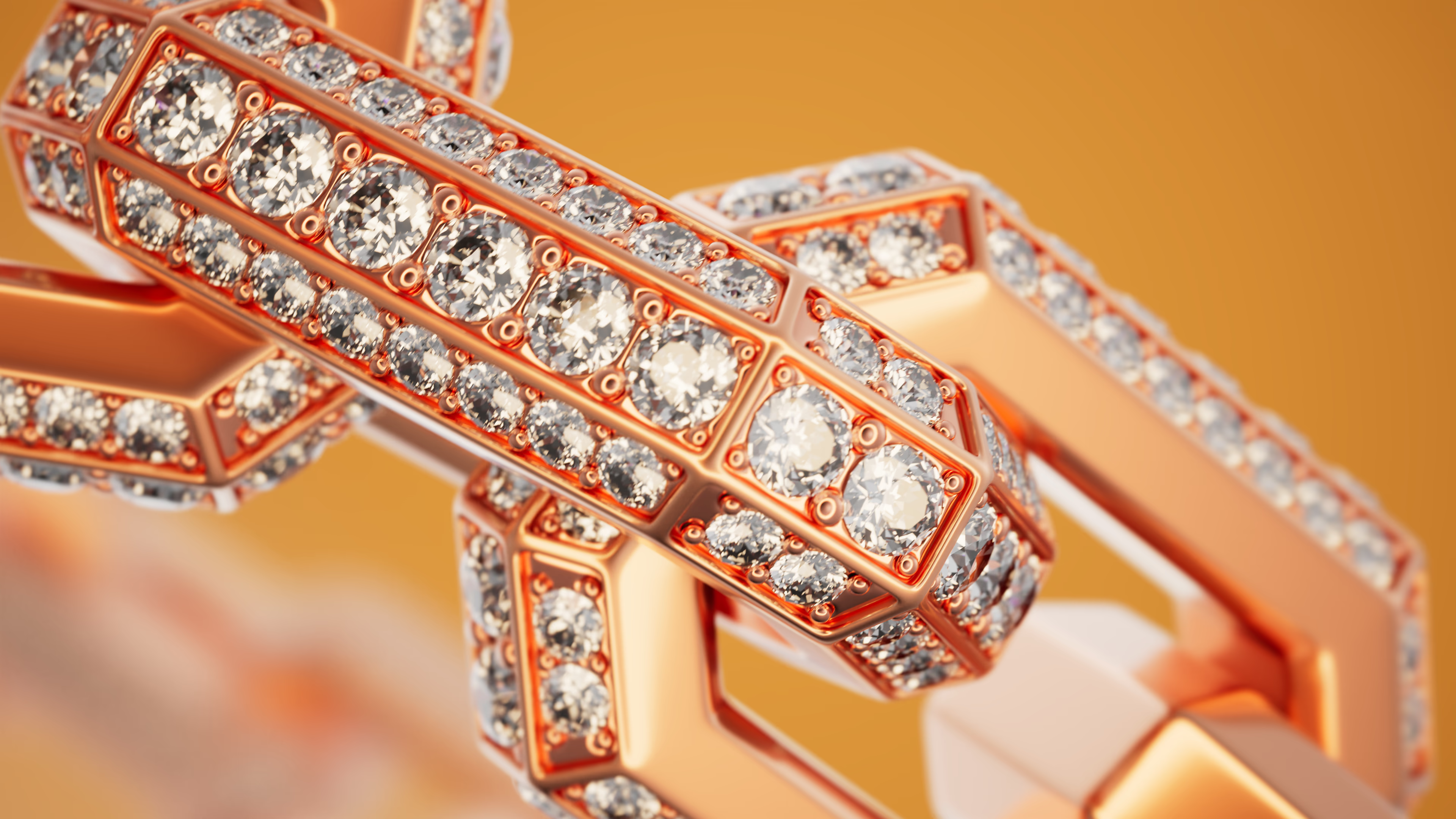
L'AVREAT is a luxury jewelry house built at the intersection of precision engineering and timeless elegance. The project began with the design of original jewelry pieces from the ground up, developing custom metal settings and sculptural forms that balance structural integrity with refined aesthetics. Each component was shaped to work as part of a cohesive composition of form, material, and light.
With the product designs established, attention turned to the gemstones themselves. Drawing from the principles of gemology and the centuries-old art of lapidary, entirely original cuts were designed and calculated to maximize brilliance and fire through carefully considered angles and proportions. These cuts were then integrated into the jewelry pieces, completing a collection where every facet serves both optical and compositional purpose.
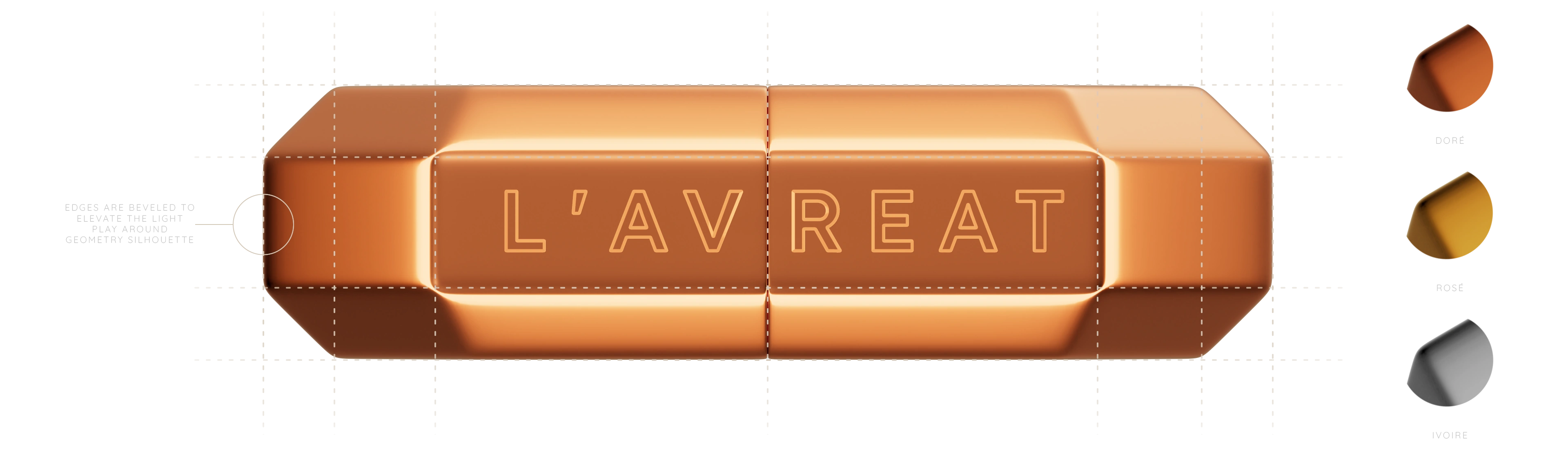
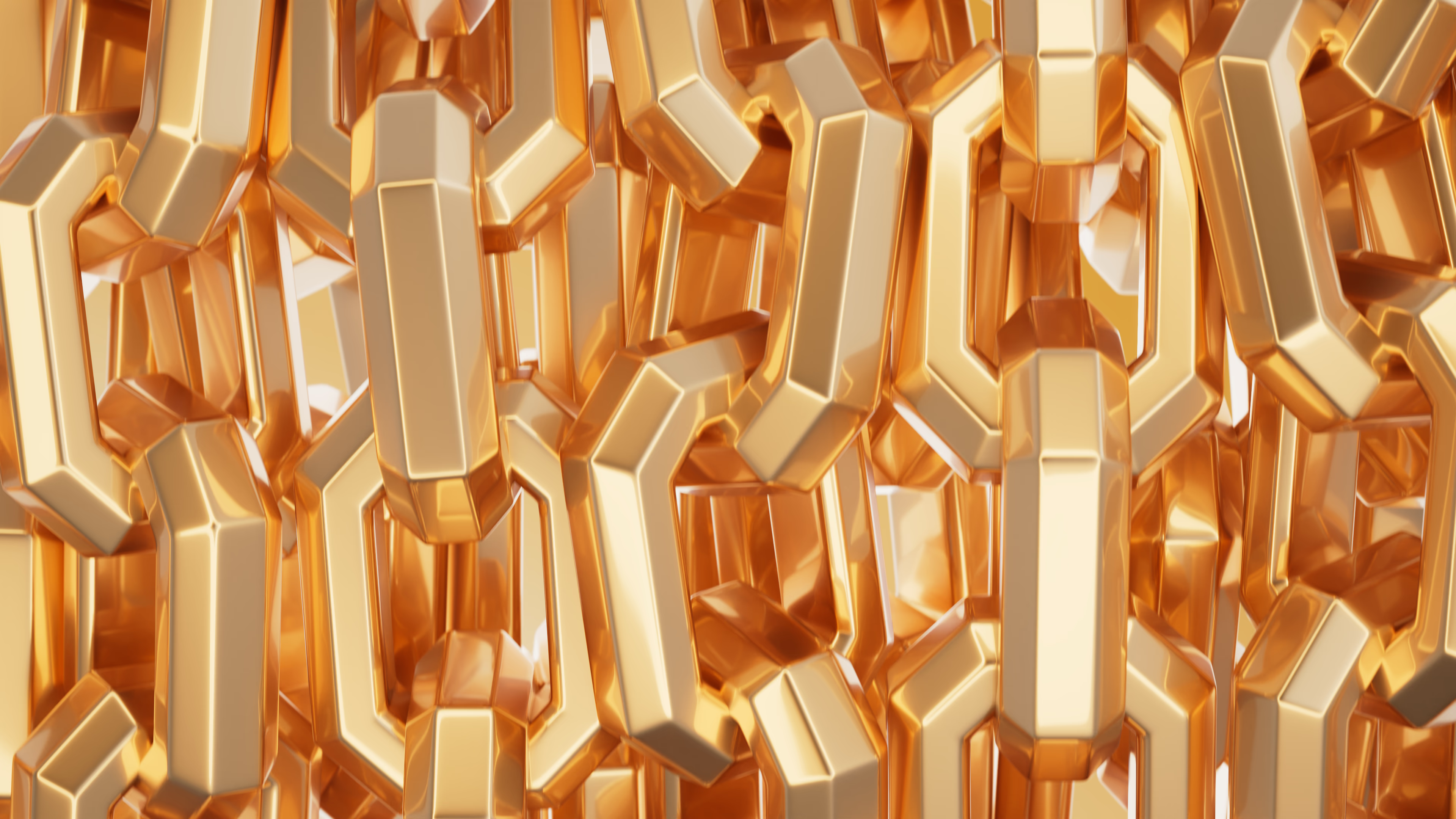
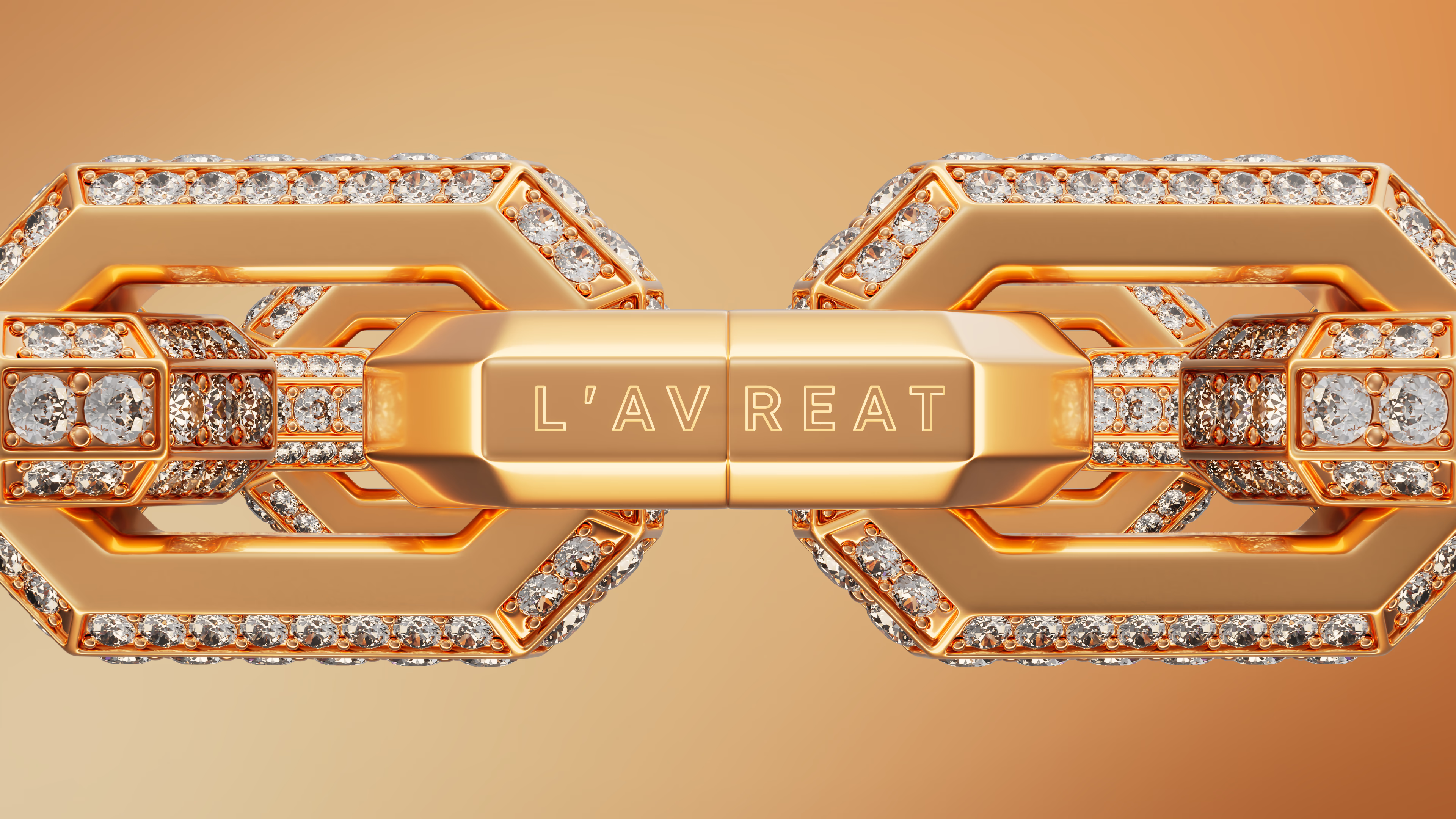
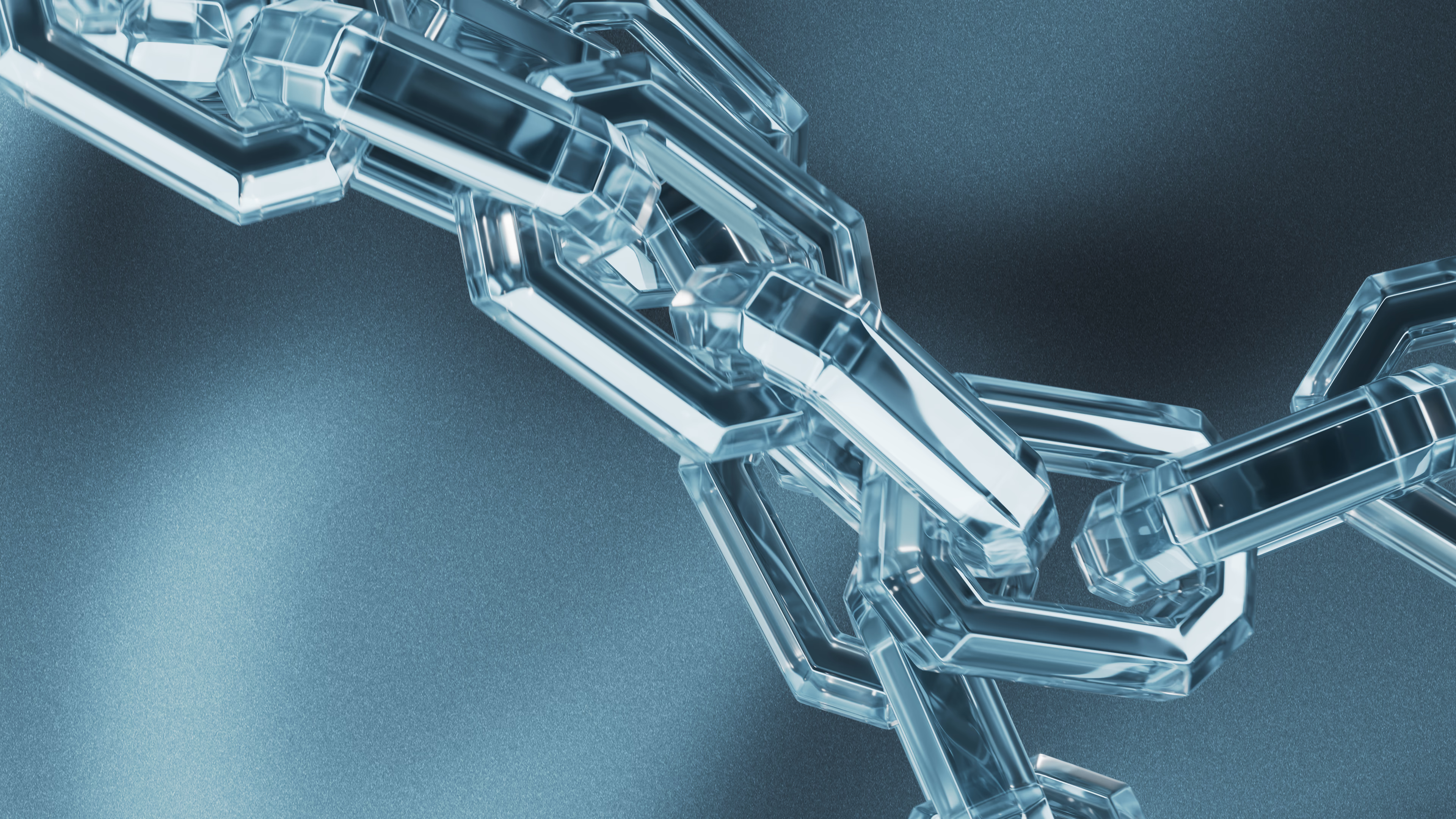
The full collection was brought to life through detailed 3D simulation and animation, following storyboards crafted to communicate the brand's refined sensibility through an advertising campaign. Art direction guided every frame, from the interplay of caustics across polished surfaces to the pacing and tone of the final film. A bespoke sound design was composed to accompany the visuals, grounding the campaign in a multisensory experience that spans brand identity, visual storytelling, and product visualization, built entirely from concept through to final delivery.
I usually start a project by trying to figure out what it actually needs to be, not just what it looks like. For L'AVREAT that meant spending a while with the product itself, getting a feel for the jewelry, the materials, and the kind of tone the brand wanted to land on before opening any 3D software.
Once I had a rough idea of the direction, I pulled together references and built out a moodboard in Figma. Mostly photography and stills I liked for the materials, the lighting, and the overall pacing. Figma is where all of this lives for me during a project: references, notes, rough layouts, feedback, all on one big canvas I keep coming back to.
From the moodboard I moved into sketching and storyboarding, working out the shots and early style frames. I use these to check that the product, the brand, and the motion are all reading the way I want before committing to building anything in 3D. Once the frames felt right, I took the whole thing into Cinema 4D and Redshift for the actual production, then finished it out in After Effects and Photoshop.
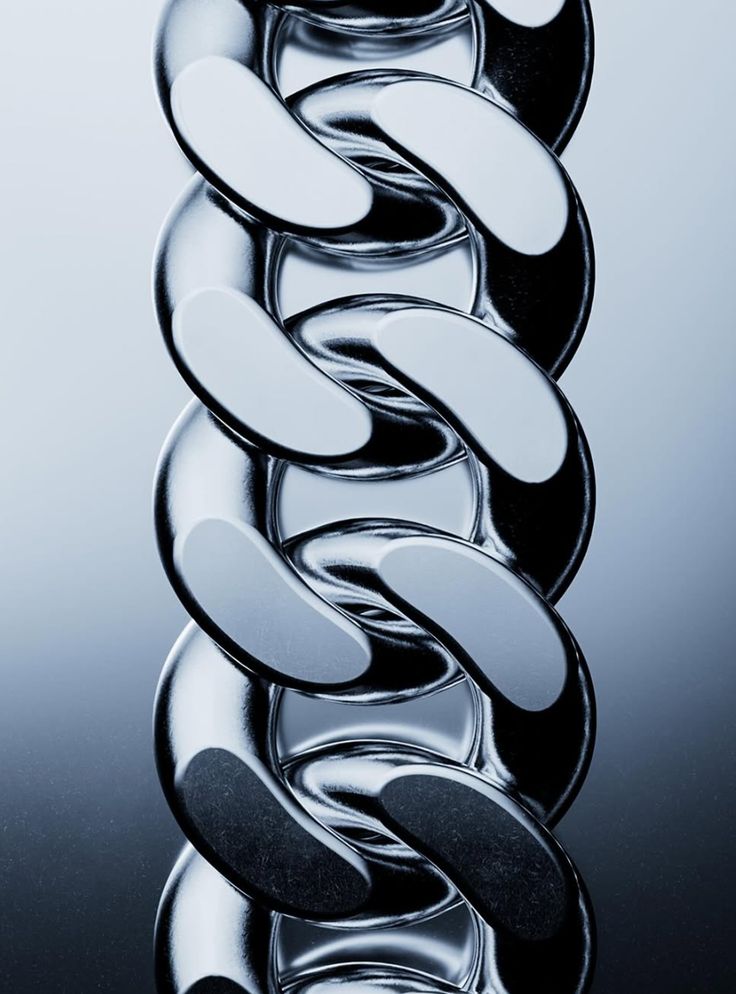
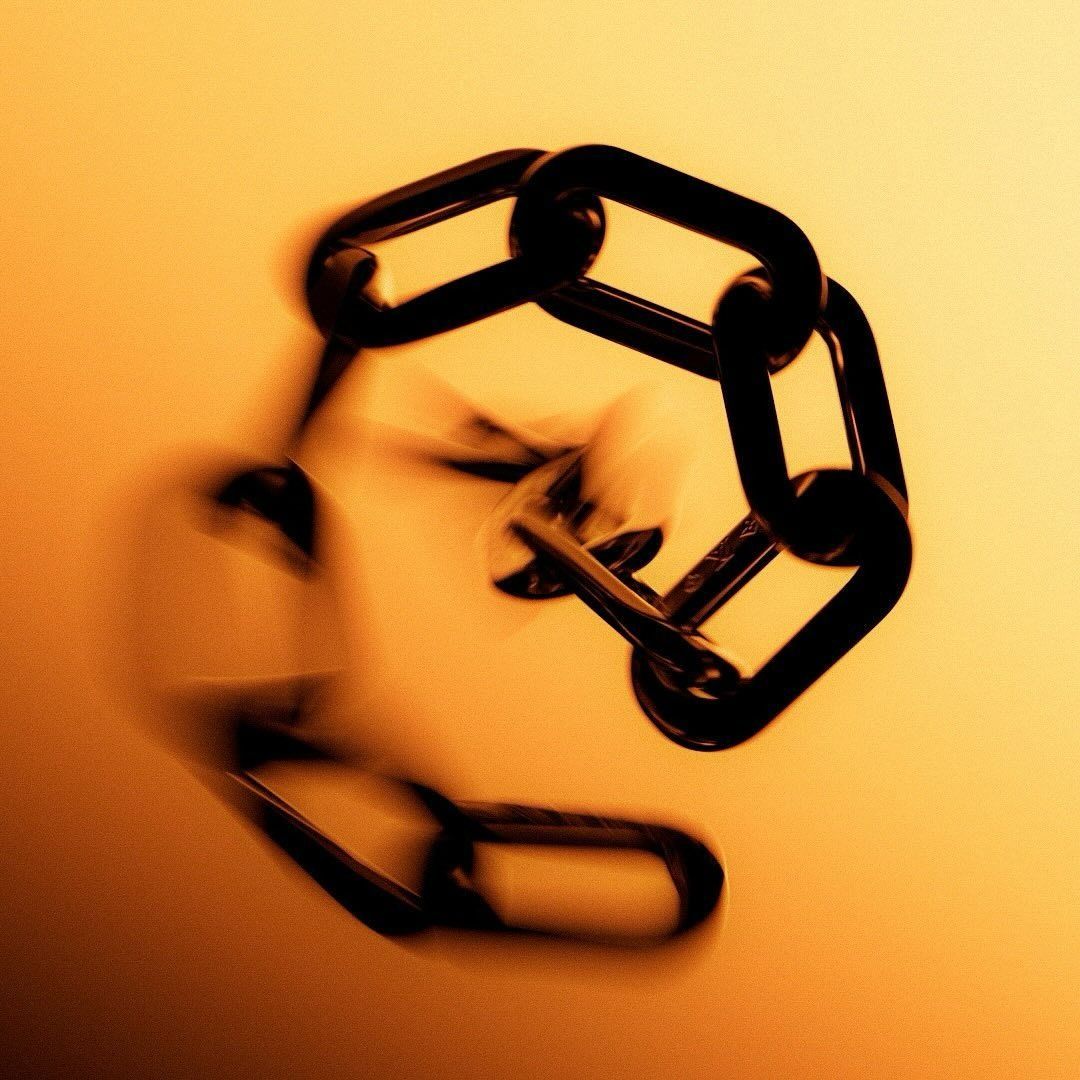
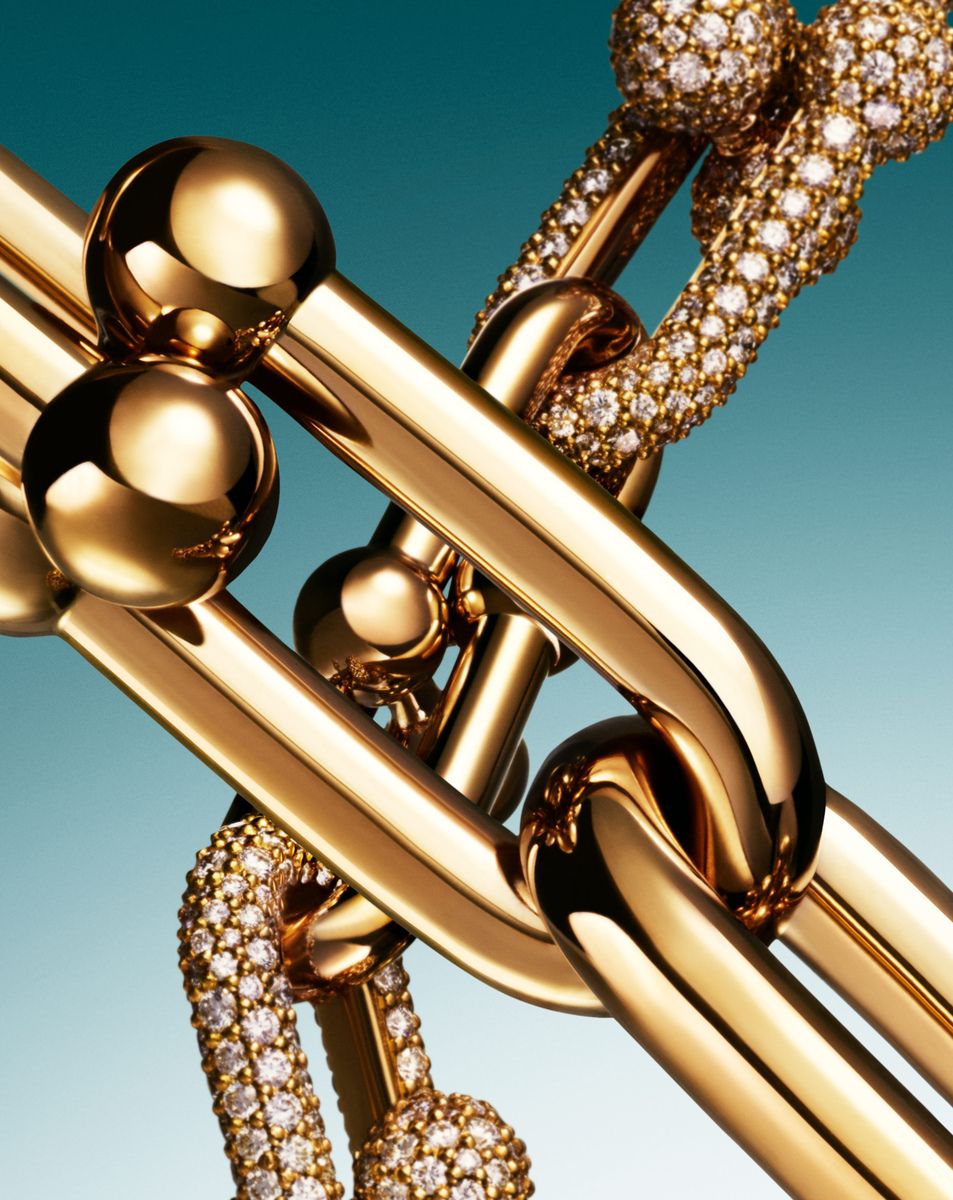
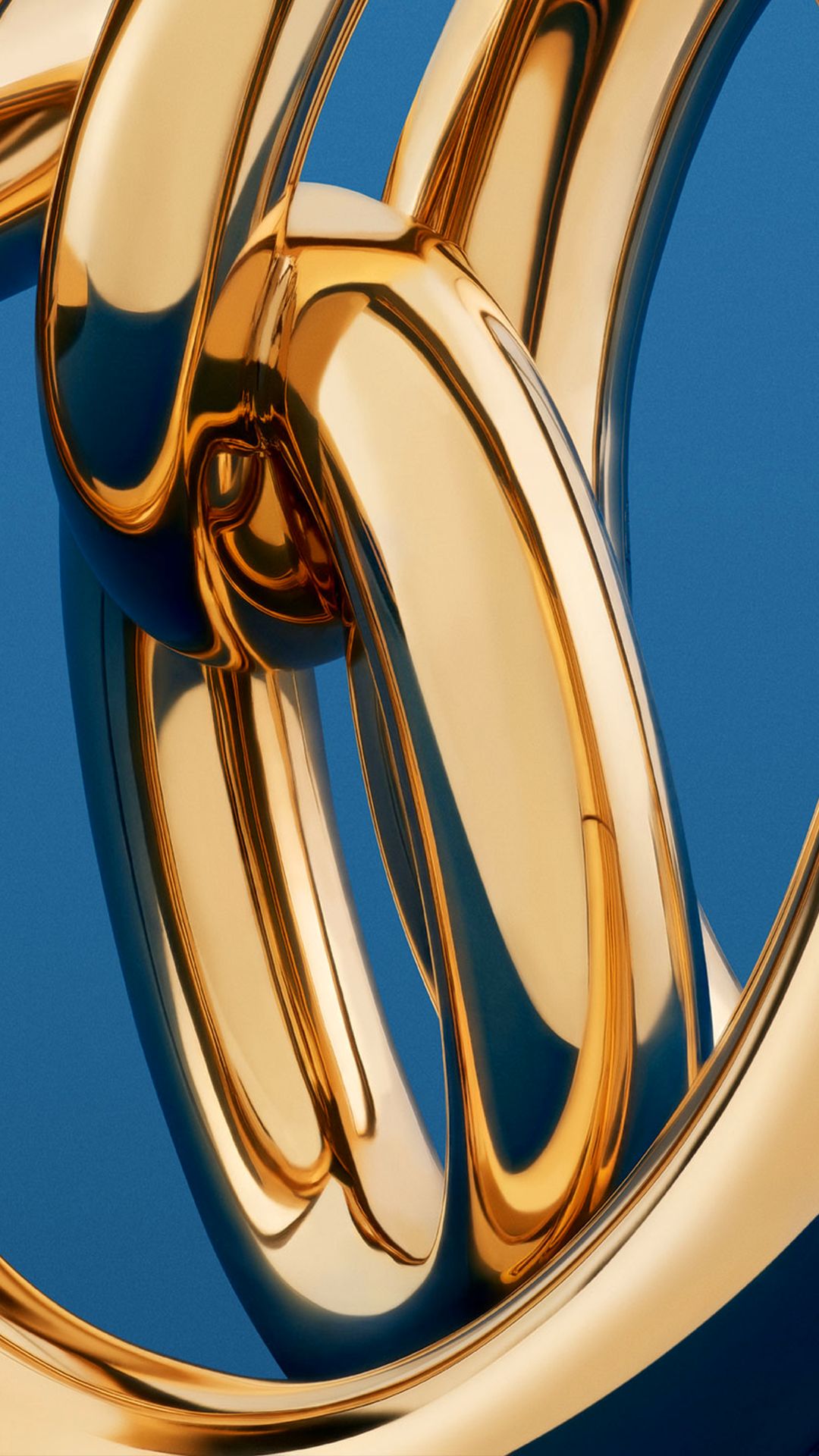
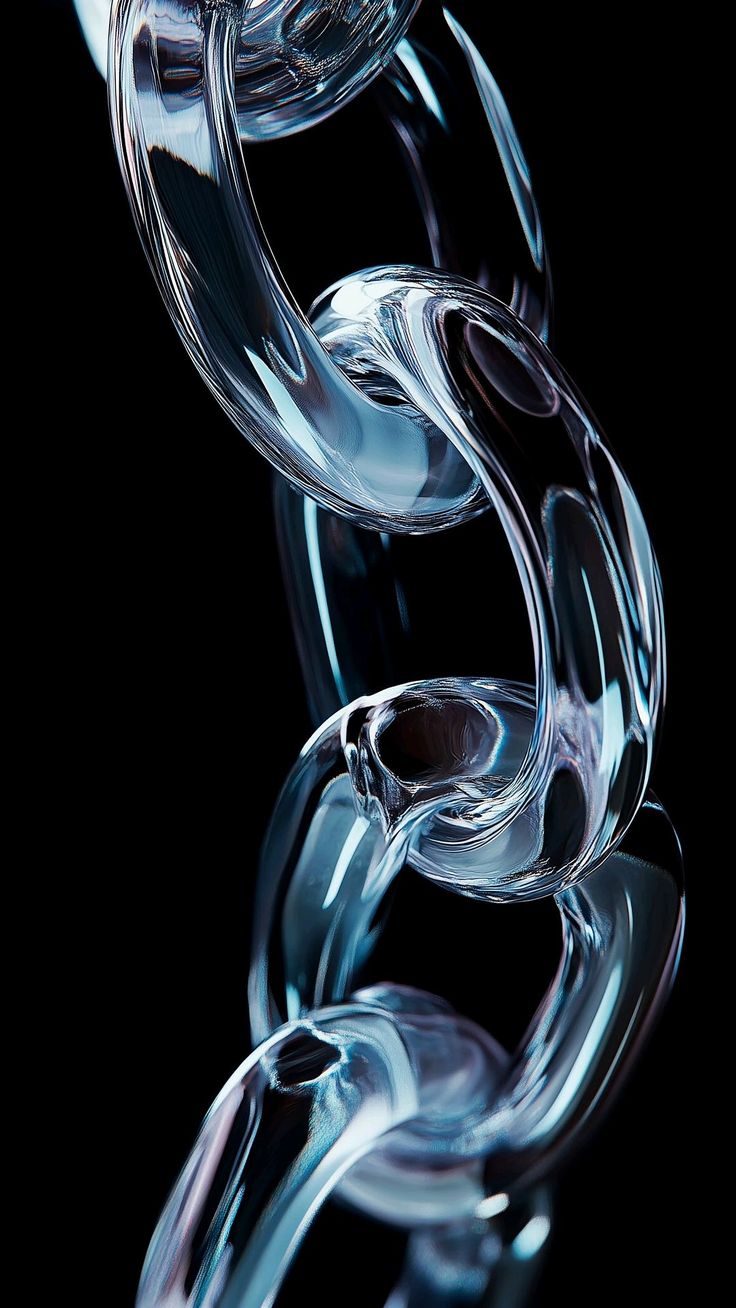

I put these boards together in Figma, just dropping in references, lighting stuff, material samples, and anything that feels close to the direction I'm after. I keep rearranging and cutting things until the board starts pointing somewhere clear, and then I use that as the starting point for the style frames.


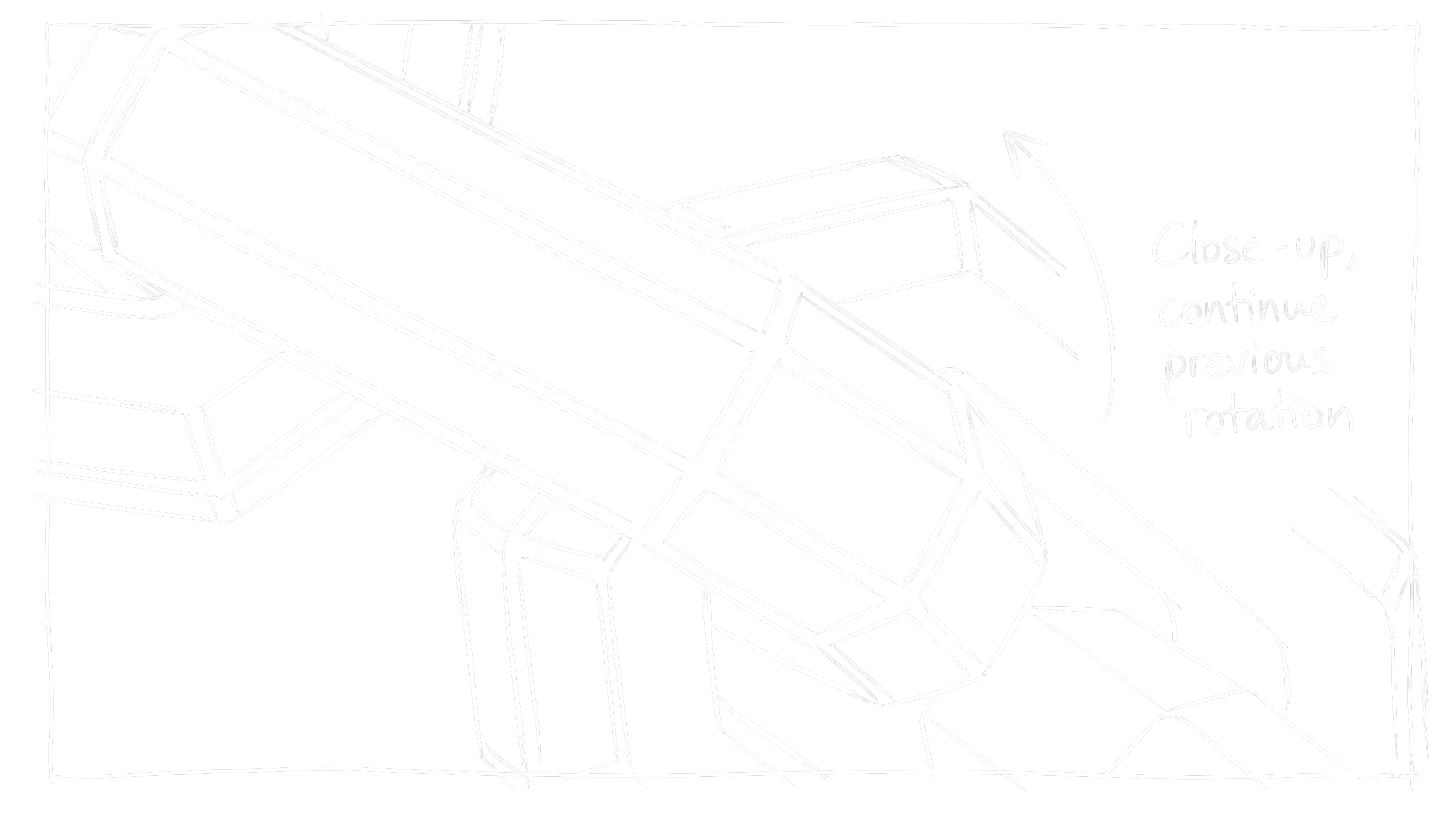


Style frames are where I work out the shots before touching 3D. They're pretty rough, just enough to lock down composition, camera, and the general feel of each key moment. I'd rather figure this stuff out on paper than realize halfway through a render that something isn't working.
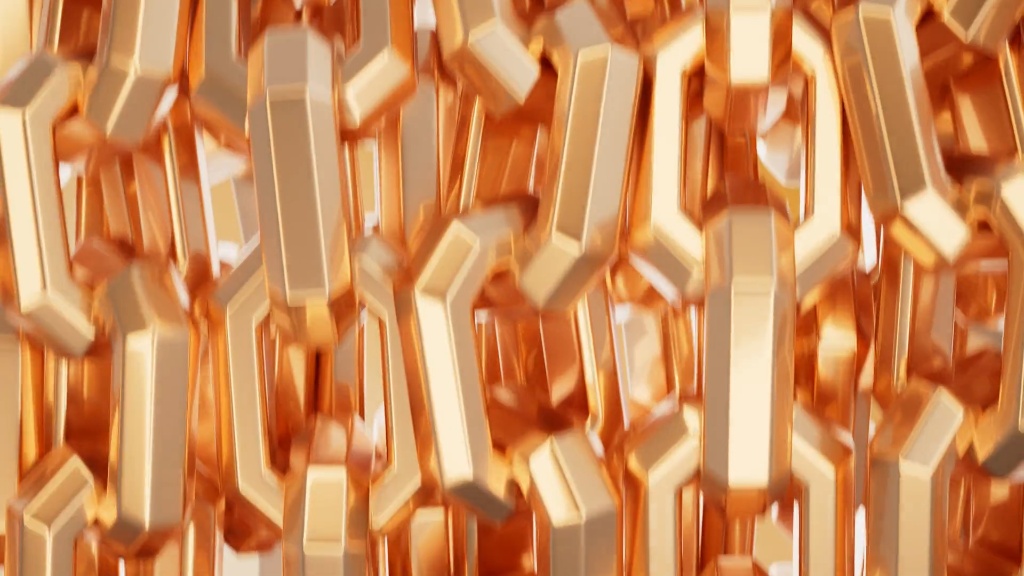
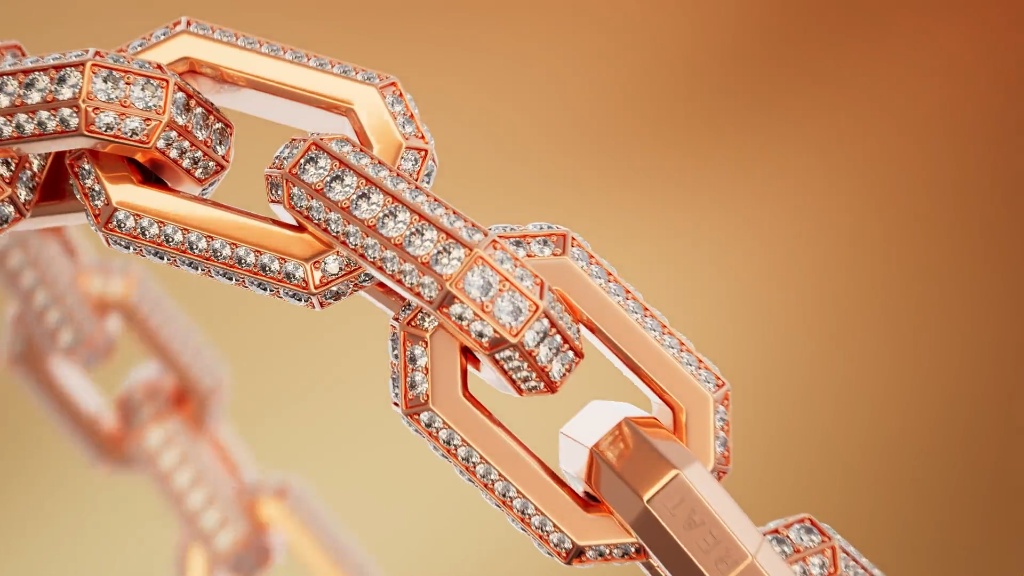
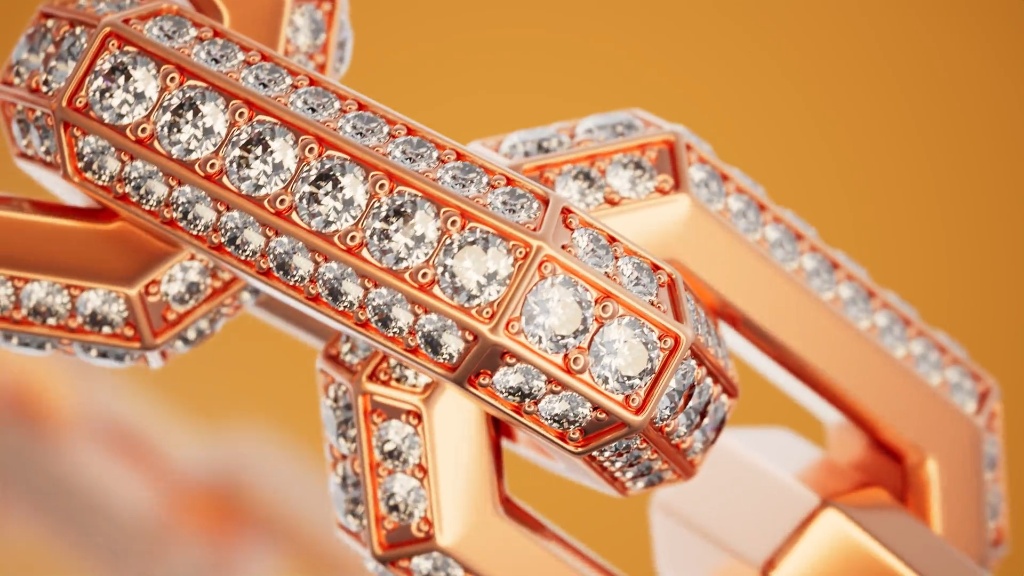
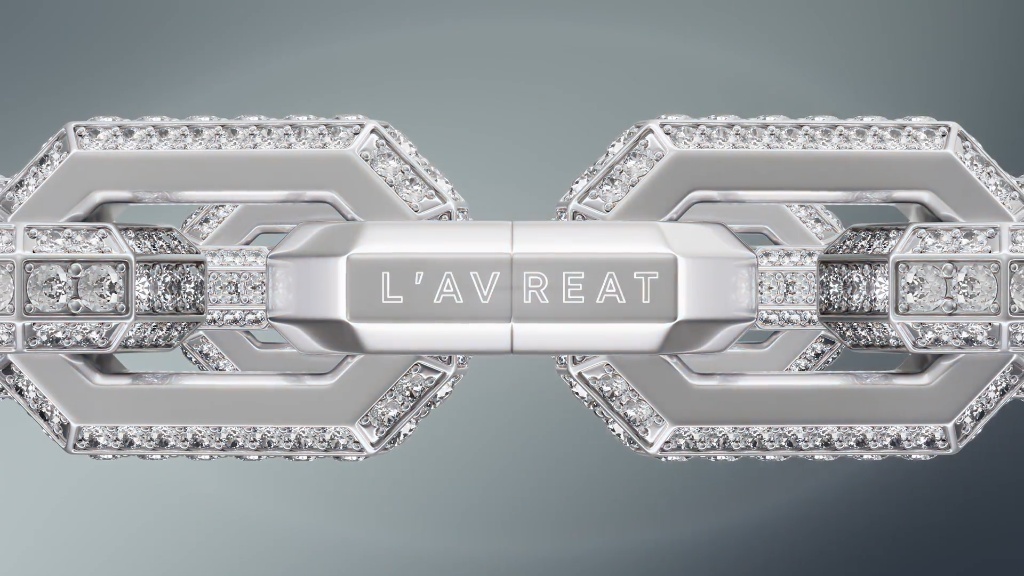
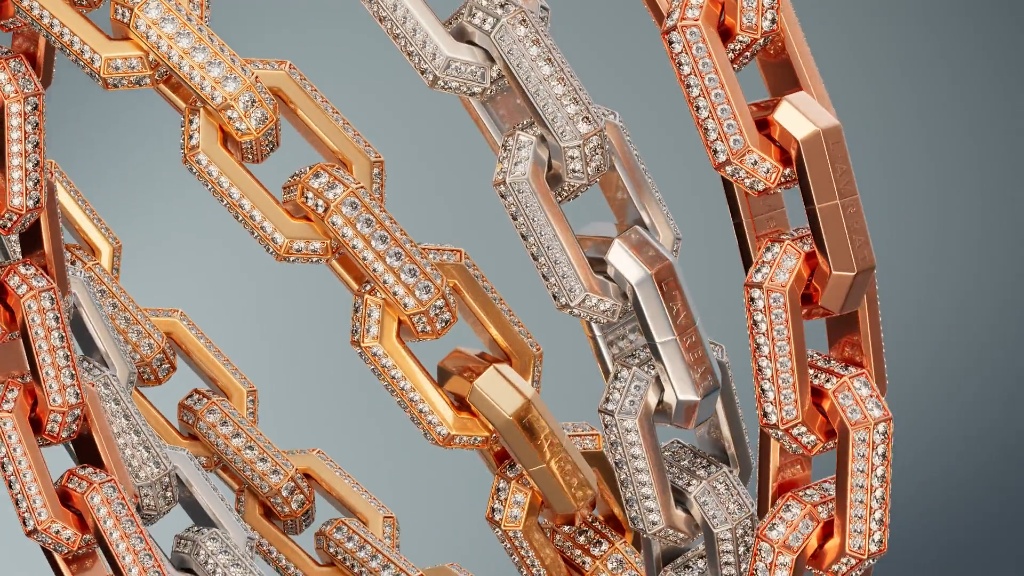
These are stills pulled straight from the final 3D production, rendered in Cinema 4D and Redshift and cleaned up in After Effects and Photoshop. Each one lines up with one of the earlier sketches, so it's easy to see how the shots ended up once the materials and lighting were all in place.